"Modern" gets used loosely in home decor — often meaning little more than "not old-fashioned." Actual modern styling follows a few consistent principles: restraint over abundance, intentional contrast over matching everything, and a few strong pieces rather than many small ones. Here's how those principles translate into an actual room.
Fewer, Stronger Pieces Beat More, Smaller Ones
A modern room usually has less in it than a traditional one, but what's there is more deliberate. Instead of five small decorative objects scattered around a room, one well-chosen piece — like a set of Abstract Thinking Statues on a console table — does more visual work with less clutter.
Treat Lighting as Design, Not Just Function
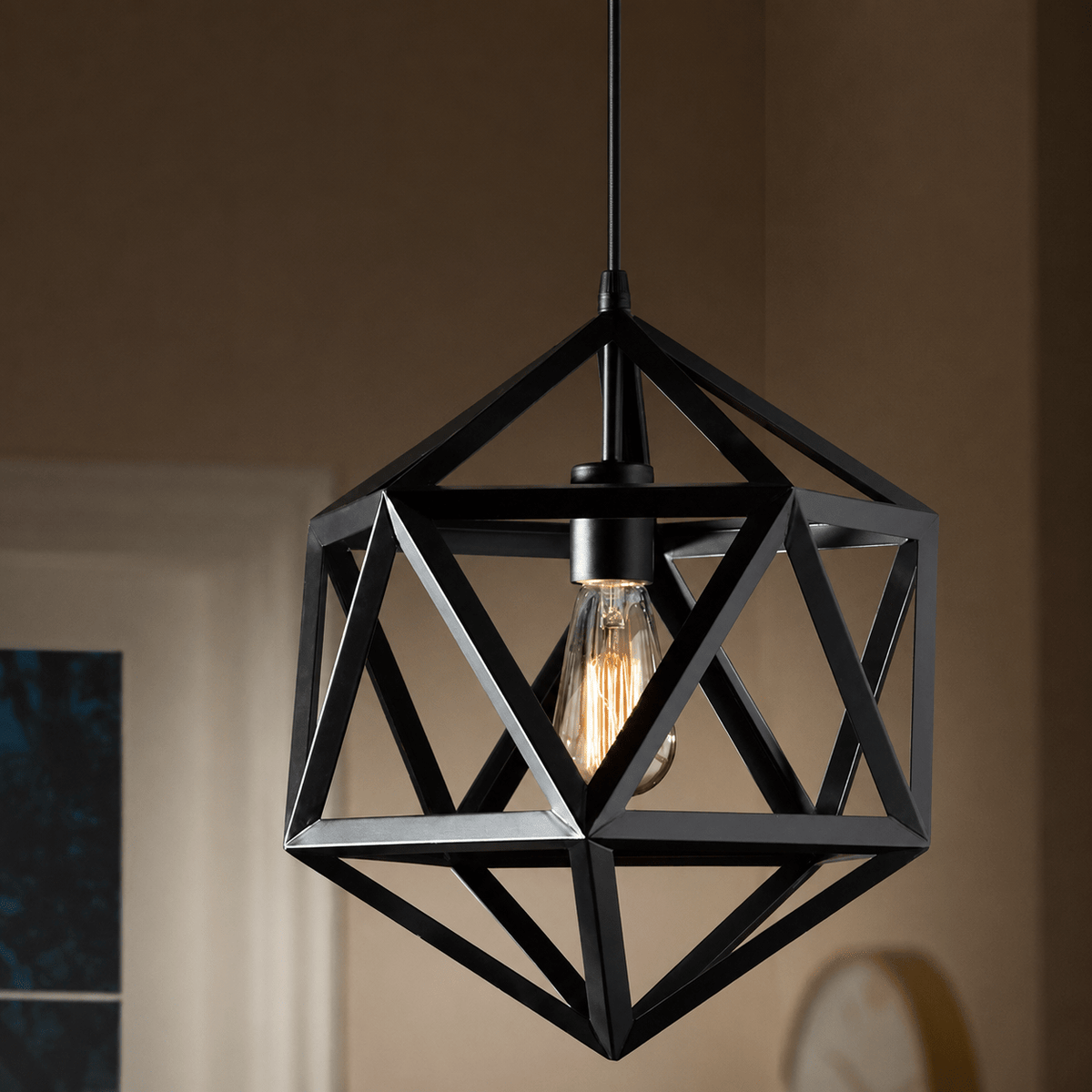
Modern interiors use lighting fixtures as visual objects in their own right, not just as a way to see. A geometric hanging light with an open metal frame, such as Decoricks' Hexagon Hanging Lamp, works as much as a design statement as it does as a light source — which is a distinctly modern approach compared to hiding fixtures behind heavy shades.
Use Contrast Instead of Matching Everything
A common misconception is that modern decor means everything matches perfectly. In practice, modern rooms often rely on deliberate contrast — a dark metal pendant like the Diamond Cage Hanging Lamp against soft furnishings, for instance — rather than a uniformly coordinated palette.
Keep Walls Purposeful, Not Just Full
Modern wall styling favors a small number of considered pieces over covering every inch. A single well-placed framed set, like Framed Wall Art – Eiffel Tower & Quotes, reads as more modern than a wall crowded with mismatched frames.
Room-by-Room Modern Touches
- Living room: one statement light fixture, one grouped wall art arrangement, minimal additional clutter.
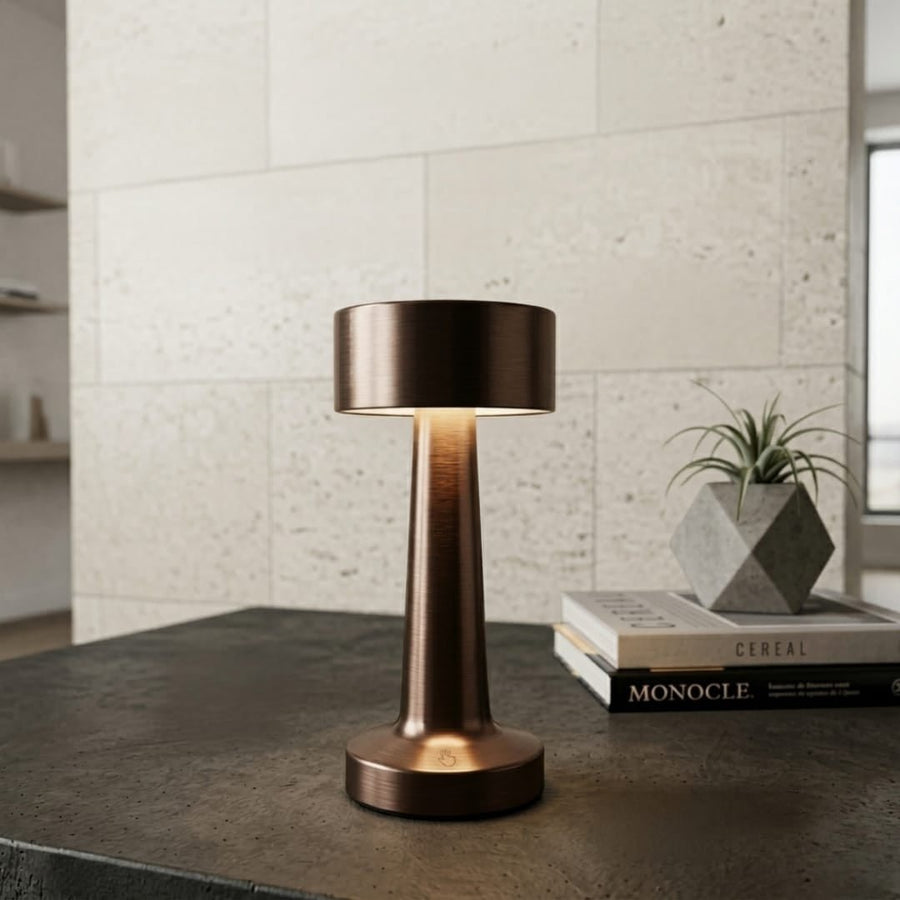
- Bedroom: a sleek, functional bedside lamp like the Crystal LED Table Lamp rather than an ornate, oversized one.
- Entryway: a single functional piece, like a wall-mounted organizer, rather than multiple small decorative objects.
Add Texture, Not More Color
Modern spaces often rely on a fairly restrained color palette, with texture and material contrast doing the visual work instead — metal against soft fabric, matte against reflective surfaces. This is part of why metal-framed lighting and decor tends to read as more modern than glossy, ornate finishes.
Frequently Asked Questions
Does modern decor mean minimalism?
They overlap but aren't identical — modern decor emphasizes intentional, purposeful choices, while minimalism specifically emphasizes reducing quantity. A modern room can have more in it than a minimalist one, as long as each piece is deliberate.
What's the easiest way to make a room look more modern?
Start with lighting — swapping a plain overhead fixture for a geometric statement light changes a room's character more immediately than most other single changes.
Should everything in a modern room match?
No — deliberate contrast (dark metal against soft textures, for example) is a more common modern approach than a fully coordinated palette.
Final Thought
Modern home decor comes down to restraint and intention — fewer, stronger pieces, lighting treated as design, and purposeful contrast rather than uniform matching.
Explore Decoricks' modern home decor collection →